Restaurant Hood Systems Service Mamaroneck Type 1 & Type 2
Restaurant hood systems service in Mamaroneck helps commercial kitchens understand, maintain, repair, and operate Type 1 and Type 2 hood systems safely, efficiently, and in coordination with applicable fire, mechanical, health, and insurance requirements.
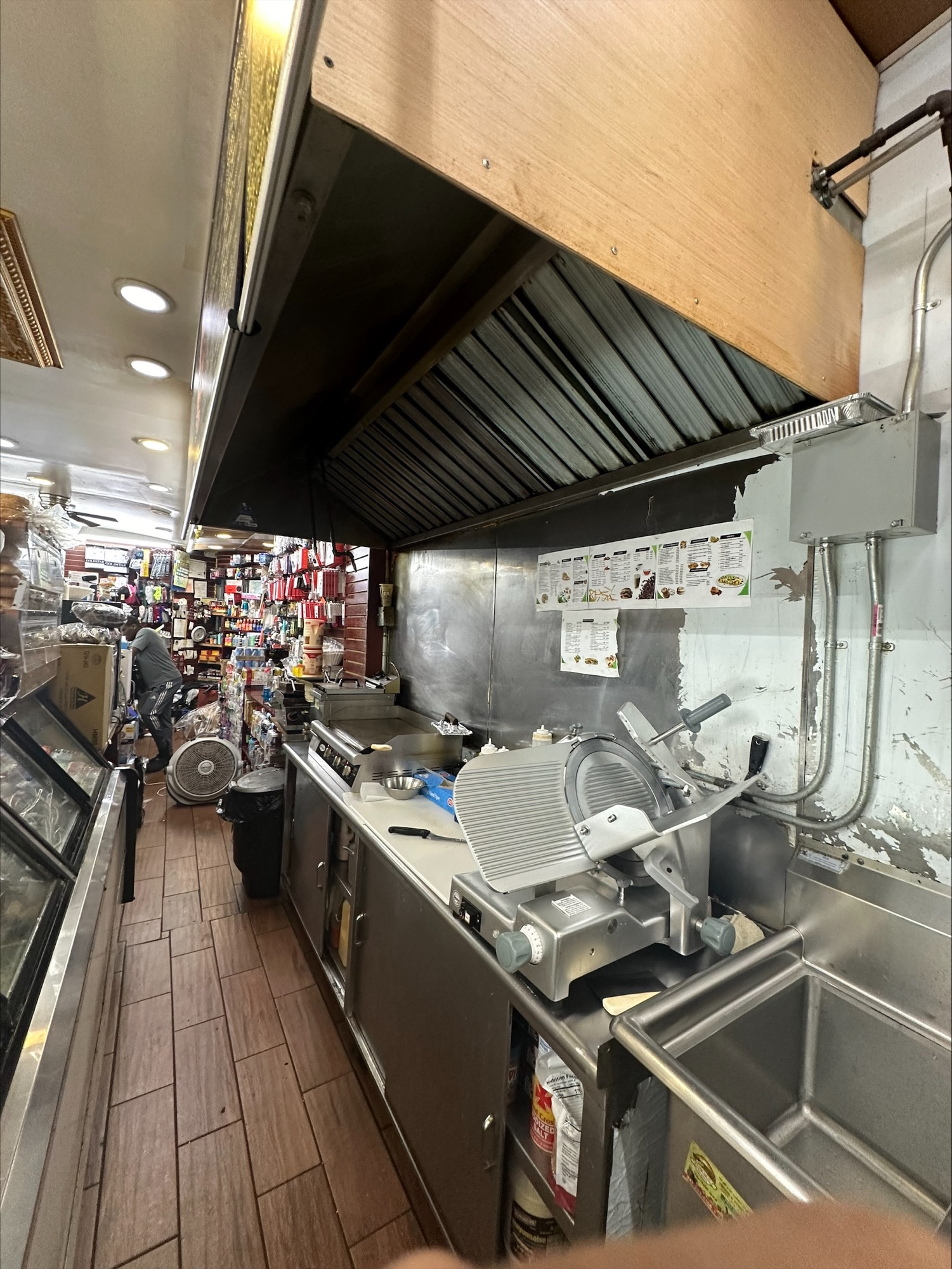
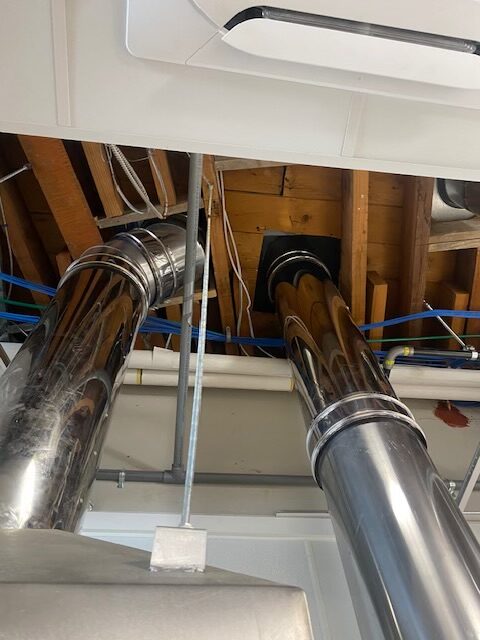
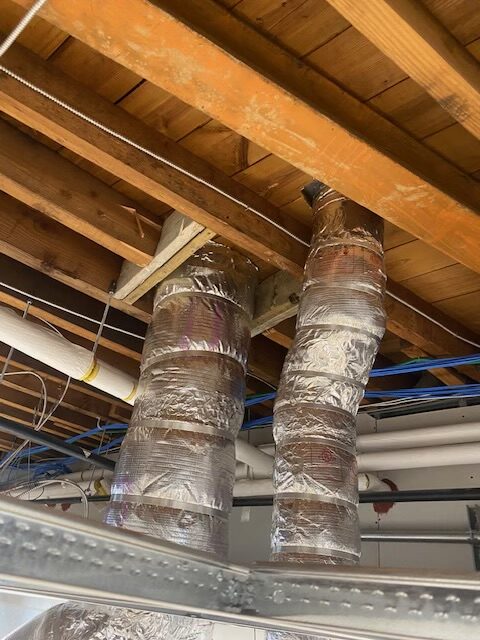
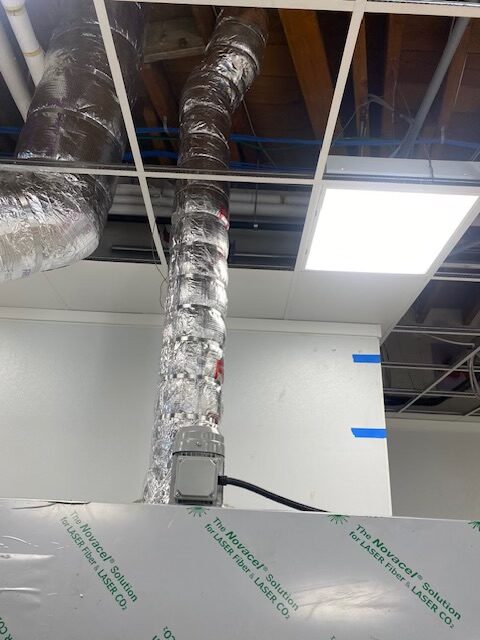
Restaurant Hood Systems Service in Mamaroneck for Type 1 and Type 2 Commercial Kitchen Hoods
Restaurant hood systems service in Mamaroneck requires a clear understanding of the difference between Type 1 hood systems and Type 2 hood systems. Both are part of commercial kitchen ventilation, but they are not designed for the same cooking conditions. A Type 1 hood is generally associated with grease-producing cooking equipment, while a Type 2 hood is generally associated with heat, steam, vapor, odor, and condensation where grease-laden vapors are not the primary hazard. Understanding that difference matters because the hood, exhaust fan, ductwork, fire suppression system, filters, controls, and maintenance needs can be very different.
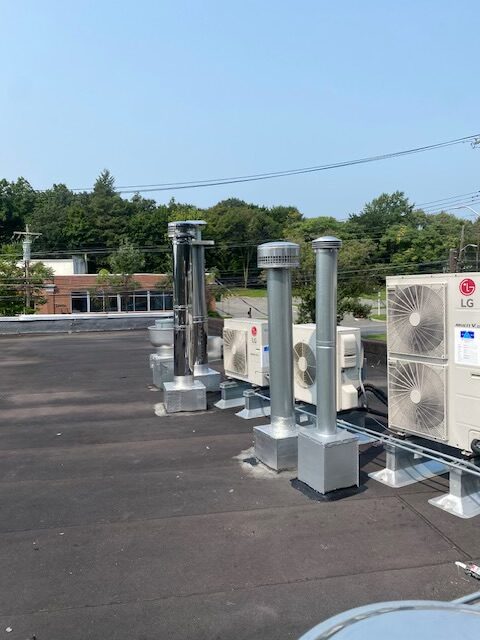
In a restaurant, café, bakery, deli, hotel kitchen, commissary, or food service space, the hood system is not just a canopy over cooking equipment. It is part of a larger mechanical and fire protection assembly that may include exhaust fans, make-up air, grease ducts, hood filters, dampers, wet chemical fire suppression, detection components, nozzles, manual pull stations, gas shutoffs, electrical interlocks, and exhaust controls. When one part of that system is neglected, misaligned, damaged, or improperly maintained, the kitchen can experience poor capture, smoke rollout, grease accumulation, odors, excessive heat, equipment shutdowns, or inspection deficiencies.
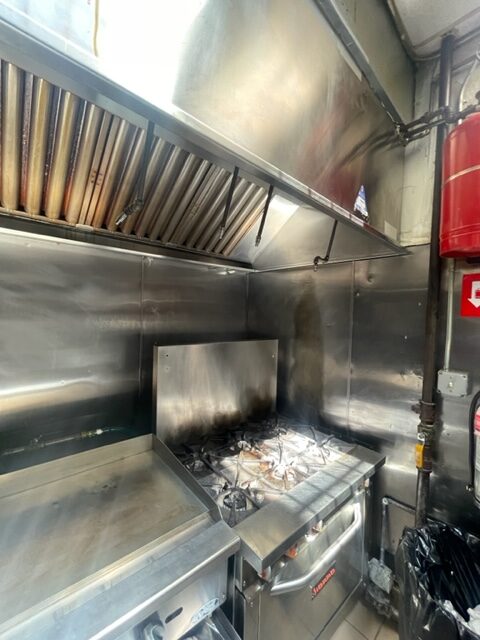
Type 1 hood systems are commonly used over equipment such as ranges, fryers, griddles, charbroilers, broilers, woks, and other cooking equipment that can produce grease-laden vapors. These systems typically require grease-rated exhaust, appropriate filters, grease duct considerations, and connection to a compatible fire suppression system when required by the equipment and authority having jurisdiction. Service for a Type 1 hood system may include inspection of the hood condition, filter fit, exhaust performance observations, fan operation, visible duct access conditions, fire suppression component visibility, nozzle positioning observations, manual pull station accessibility, and coordination with cleaning or suppression service when deficiencies are identified.
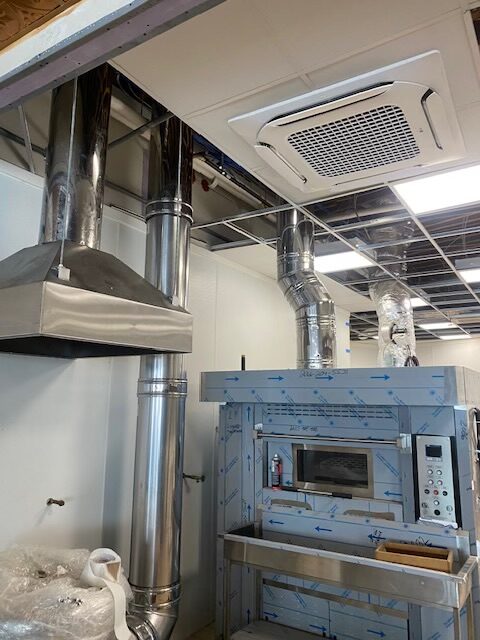
Type 2 hood systems are different. They are generally used where the primary issue is heat, steam, humidity, vapor, or odor rather than grease-laden cooking vapors. Type 2 hoods may be found over dishwashers, ovens, steamers, certain baking equipment, warming equipment, or other appliances depending on the kitchen design and local requirements. Service for a Type 2 hood may focus more on exhaust performance, condensation control, fan operation, duct condition, make-up air balance, and whether the system is appropriate for the equipment being used below it. A Type 2 hood should not be treated as a substitute for a Type 1 hood when grease-producing cooking equipment is involved.
A practical hood system inspection begins with the actual kitchen layout. The technician looks at the cooking line, equipment placement, hood coverage, filter condition, exhaust fan operation, make-up air behavior, visible grease accumulation, airflow symptoms, and any signs that the system is not keeping up with daily cooking demand. In many restaurants, the issue is not one single failed component. It may be a combination of clogged filters, worn fan belts, loose access panels, neglected cleaning, poor air balance, altered cooking equipment, or a hood that no longer matches how the kitchen is being used.
Maintenance is especially important in Mamaroneck restaurants because commercial kitchens often operate in compact spaces, mixed-use buildings, storefront corridors, older properties, and busy food service environments where downtime can quickly affect revenue. Routine service can include reviewing hood condition, checking filters, observing exhaust fan operation, identifying visible wear, documenting deficiencies, recommending repair work, and coordinating with qualified hood cleaning or fire suppression service providers where needed. Preventive maintenance helps reduce unexpected interruptions and supports safer kitchen operation, but it does not replace required inspections, cleaning, or code review by the appropriate authority.
Repair work may be needed when a hood system shows signs of poor performance, excessive heat, visible smoke escape, fan vibration, loose or missing filters, damaged controls, malfunctioning exhaust, worn belts, damaged access areas, or changes in the cooking line. A restaurant that replaces a steamer with a fryer, adds a charbroiler, changes its menu, or increases cooking volume may also need a hood system evaluation. The question is not only whether the hood turns on. The question is whether the hood system is appropriate for the cooking equipment, whether it is operating as intended, and whether visible deficiencies should be corrected before they become more serious.
Replacement, retrofit, or modernization may be appropriate when the existing hood system is undersized, outdated, damaged, poorly configured, or no longer aligned with the kitchen’s equipment. A Type 1 hood system may require different considerations than a Type 2 hood system, especially where grease exhaust, fire suppression, duct routing, fan capacity, make-up air, and equipment clearance are involved. Modernization may also include improved controls, updated exhaust components, better service access, or coordination with architects, engineers, contractors, and local officials during renovation.
Compliance language must be handled carefully. Restaurant hood systems may involve NFPA standards, local fire prevention requirements, mechanical code considerations, health department expectations, building department review, insurance inspections, and the requirements of the local authority having jurisdiction. A service visit can identify visible issues and recommend corrective work, but no service company should guarantee approval by an inspector or imply compliance without proper inspection and review. The safest approach is to document observed deficiencies, correct known problems, and coordinate the appropriate inspection, cleaning, repair, or upgrade work based on the actual system.
Commercial Kitchen Ventilation NY provides restaurant hood systems service for Mamaroneck and surrounding Westchester-area food service properties, including restaurants, cafés, bakeries, delis, commercial kitchens, catering facilities, food halls, commissaries, institutional kitchens, and mixed-use commercial buildings. Whether the concern is a Type 1 grease hood, a Type 2 heat or steam hood, exhaust performance, make-up air, fan operation, hood repairs, retrofit planning, or maintenance coordination, the goal is to help the kitchen operate more safely, more reliably, and with better documentation for owners, managers, contractors, and inspectors.
Restaurant Hood Systems Service Mamaroneck Type 1 & Type 2
Restaurant Hood Systems Service Mamaroneck Type 1 & Type 2 is an important topic for restaurant owners, chefs, property managers, architects, engineers, contractors, and anyone responsible for operating a commercial kitchen safely and efficiently. Although both hood systems are designed to capture contaminants produced during food preparation, they are intended for different applications and should never be considered interchangeable. Selecting the correct hood system and maintaining it properly helps support reliable kitchen ventilation, improved employee comfort, equipment performance, and a safer cooking environment.
Throughout Mamaroneck, commercial kitchens range from neighborhood cafés and pizzerias to waterfront restaurants, bakeries, catering facilities, schools, institutional kitchens, and hospitality properties. Many of these buildings have undergone renovations over the years, resulting in equipment upgrades, menu changes, or expanded cooking operations that may affect the original ventilation design. A kitchen that once operated with ovens and steam equipment may later install fryers, griddles, charbroilers, or woks, creating ventilation demands that differ significantly from the original system. Periodic evaluation helps determine whether the hood system continues to match the cooking equipment beneath it.
Professional restaurant hood systems service focuses on much more than simply confirming that the exhaust fan is running. A comprehensive evaluation considers hood condition, exhaust airflow observations, filter installation, make-up air performance, visible grease accumulation, duct accessibility, fan operation, mechanical wear, fire suppression coordination, and maintenance history. By documenting observed conditions and recommending practical maintenance, repair, retrofit, or replacement where appropriate, commercial kitchen ventilation professionals help restaurant operators make informed decisions that support daily operations without overstating compliance or guaranteeing regulatory approval.
Frequently Asked Questions
- What is the difference between a Type 1 and a Type 2 restaurant hood system?
- A Type 1 hood is generally intended for cooking equipment that produces grease-laden vapors, while a Type 2 hood is typically designed for equipment that primarily produces heat, steam, moisture, odors, or condensation. The appropriate hood depends on the cooking equipment being used and applicable requirements for the project.
- Can a Type 2 hood be used over a fryer or charbroiler?
- Generally, no. Grease-producing cooking equipment typically requires a ventilation system appropriate for grease-laden vapors. Installing the wrong hood type may create operational and safety concerns and should be evaluated before equipment changes are made.
- How often should a restaurant hood system be serviced?
- The appropriate maintenance schedule depends on cooking volume, menu, operating hours, equipment configuration, and the condition of the ventilation system. Routine inspections and preventive maintenance help identify wear, airflow issues, damaged components, and operational concerns before they become larger problems.
- What does a hood system inspection normally include?
- A typical inspection may include visual observations of the hood, filters, exhaust fan operation, make-up air performance, visible grease accumulation, accessible duct conditions, controls, and any obvious deficiencies that should be corrected or monitored.
- When should a restaurant consider replacing its hood system?
- Replacement may be appropriate when the hood is damaged beyond practical repair, no longer matches the cooking equipment, cannot provide adequate ventilation for current operations, or is being evaluated as part of a larger kitchen renovation or modernization project.
- Can regular maintenance reduce emergency repairs?
- Preventive maintenance often helps identify worn belts, loose filters, damaged components, airflow concerns, and other developing issues before they lead to unexpected downtime. While no maintenance program can eliminate every failure, regular service generally improves system reliability.

| Component | Type 1 Hood System | Type 2 Hood System |
|---|---|---|
| Primary Purpose | Capture grease-laden cooking vapors generated by commercial cooking equipment. | Capture heat, steam, humidity, vapor and odors from non-grease-producing equipment. |
| Typical Equipment | Fryers, griddles, charbroilers, ranges, woks, broilers and similar grease-producing appliances. | Dishwashers, steamers, certain ovens, warming equipment and other appliances depending on the application. |
| Routine Service | Visual inspection, filter evaluation, exhaust observations, fan inspection, suppression coordination and maintenance recommendations. | Airflow observations, exhaust performance, fan inspection, condensation control and equipment compatibility review. |
| Common Service Concerns | Grease accumulation, damaged filters, reduced airflow, fan wear, exhaust deficiencies and kitchen smoke. | Steam capture issues, excessive heat, poor ventilation balance, condensation and inadequate exhaust. |
| Maintenance Objective | Support reliable grease exhaust performance and identify developing mechanical deficiencies. | Support effective heat and moisture removal while maintaining comfortable kitchen operation. |
Restaurant Hood Systems Service for Mamaroneck and Nearby Westchester Communities
If your commercial kitchen depends on reliable ventilation, professional Restaurant Hood Systems Service Mamaroneck Type 1 & Type 2 helps keep your exhaust systems operating efficiently while identifying maintenance needs before they become expensive repairs. Whether your facility operates a grease-producing Type 1 hood or a Type 2 hood designed for heat and steam, routine inspections, preventive maintenance and timely repairs can improve operational reliability and support long-term equipment performance.
Commercial Kitchen Ventilation NY proudly serves restaurants, bakeries, cafés, catering facilities, schools, healthcare kitchens, hotels, food halls and institutional food service operations throughout Mamaroneck, Larchmont, New Rochelle, Rye, Harrison, White Plains, Port Chester, Scarsdale and surrounding communities across southern Westchester County.
Whether you're planning a renovation, replacing cooking equipment, troubleshooting exhaust problems or scheduling preventive maintenance, our experienced team can evaluate your commercial kitchen ventilation system and recommend practical solutions based on your building, equipment and operational needs.
To schedule restaurant hood systems service, inspections, maintenance, repairs or commercial kitchen ventilation consultation, call (917) 261-3710 or visit CommercialKitchenVentilationNY.com to request service.
No restaurant owner or property manager wants to gamble with FDNY inspections, fire safety violations, or system failures — and that’s why so many NYC businesses rely on The Restaurant Exhaust Systems Pros. We are the trusted fire protection and commercial kitchen fire safety specialists serving all of New York City and surrounding areas including:
Westchester and New York City including in:
Yonkers, Bronxville
The Bronx
West Farms, Crown Heights,
Brooklyn
Queens
Manhattan
East Village, Greenwich Village, Midtown, Midtown East, Hells Kitchen & Midtown West, Lower West Side,
Staten Island
Northern New Jersey
Newark
from to the as well as these neighborhoods (they're all different in terms of food and types of cooking): ;
We understand how stressful it can be to deal with failed inspections, violation notices, emergency shutdowns, and aging fire protection systems — especially when your business, staff, and customers are on the line. Our team works directly with restaurant owners, building managers, and contractors to correct issues quickly, document compliance properly, and keep systems operating safely.
From our Bronx-based operations, The Restaurant Exhaust Systems Pros proudly serve all five NYC boroughs and Westchester— including Brooklyn, Queens, , and Staten Island — providing fire suppression systems, hood & duct protection, exhaust system support, sprinkler coordination, inspections, testing, maintenance, and violations removal.
Whether you’re opening a new restaurant, upgrading an existing commercial kitchen, responding to a failed FDNY inspection, or taking over a previously closed space, The Restaurant Exhaust Systems Pros are here to protect your operation and keep you compliant.
Stay informed and inspection-ready:
Subscribe to our YouTube channel for short, practical fire safety videos, read our blog (updated weekly with real NYC field insights), and follow us on Instagram for behind-the-scenes service work and compliance tips.
Don't forget to check out our YOUTUBE CHANNEL for lots of helpful videos on the commercial kitchen topics that matter most to you as well as our RECENT JOBS BLOG.
So when it comes time to service your exhaust ventilation system and swap out the filters, call the Restaurants Exhaust System Pros at (718) 828-6111.